


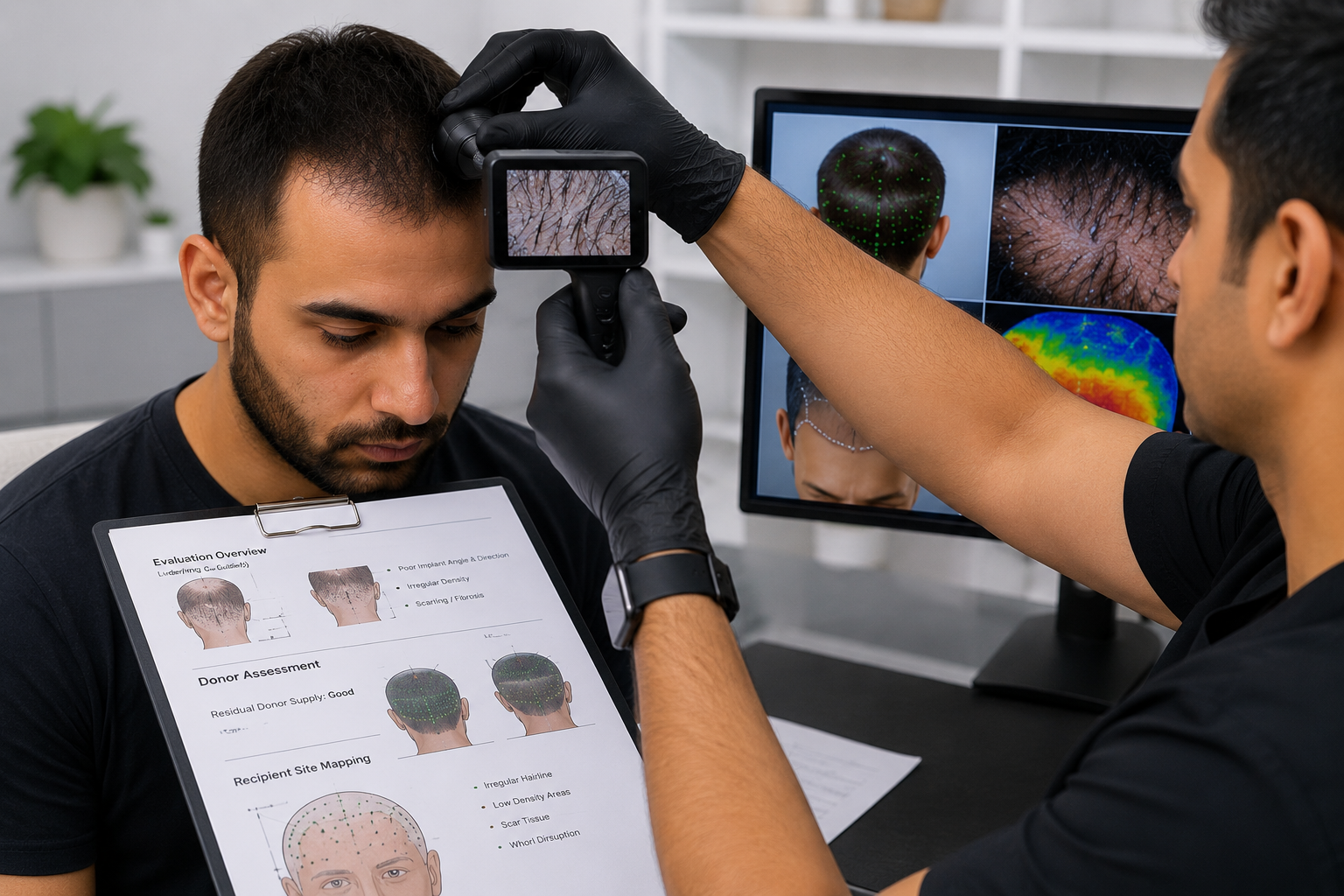
Comprehensive Evaluation
the underlying cause of failure is identified, residual donor supply is assessed, and recipient site irregularities are mapped
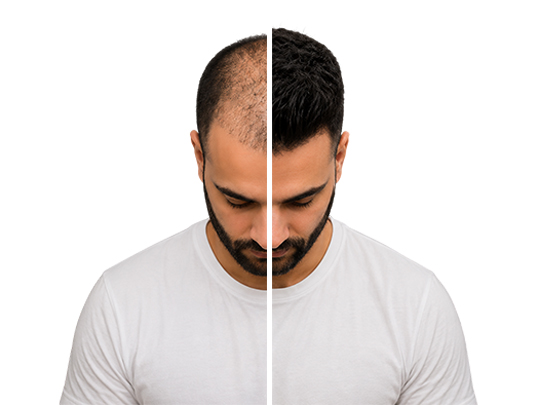
A bad hair transplant is one of the most demoralising outcomes a patient can experience. You went through a procedure, spent money, waited months and what you got back wasn't what you were promised. Unnatural hairlines, wrong growth direction, patchy density, visible scarring. It happens more often than clinics like to admit. The good news is that most of it can be fixed. A repair hair transplant corrects the results of a previously failed or poorly executed procedure. It's more complex than the original surgery; it requires a surgeon who can look at someone else's work, understand what went wrong, and rebuild it properly. That takes a different level of skill. At DMC Trichology, each repair case is evaluated in full before anything is planned. Hairline redesign, donor area assessment, scar tissue analysis every factor is mapped out first. The goal is to deliver the natural, dense result the patient should have had the first time. Two locations in Delhi Vasant Vihar (South Delhi) and Rajouri Garden (West Delhi).
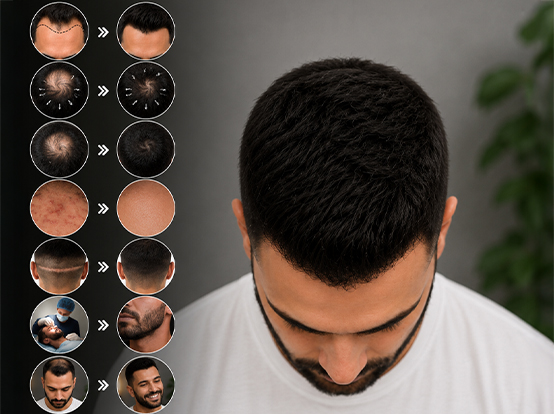
Dr. Nandini Dadu sees repair cases from across Delhi and beyond. Common presentations include:
Book a free online consultationthe underlying cause of failure is identified, residual donor supply is assessed, and recipient site irregularities are mapped
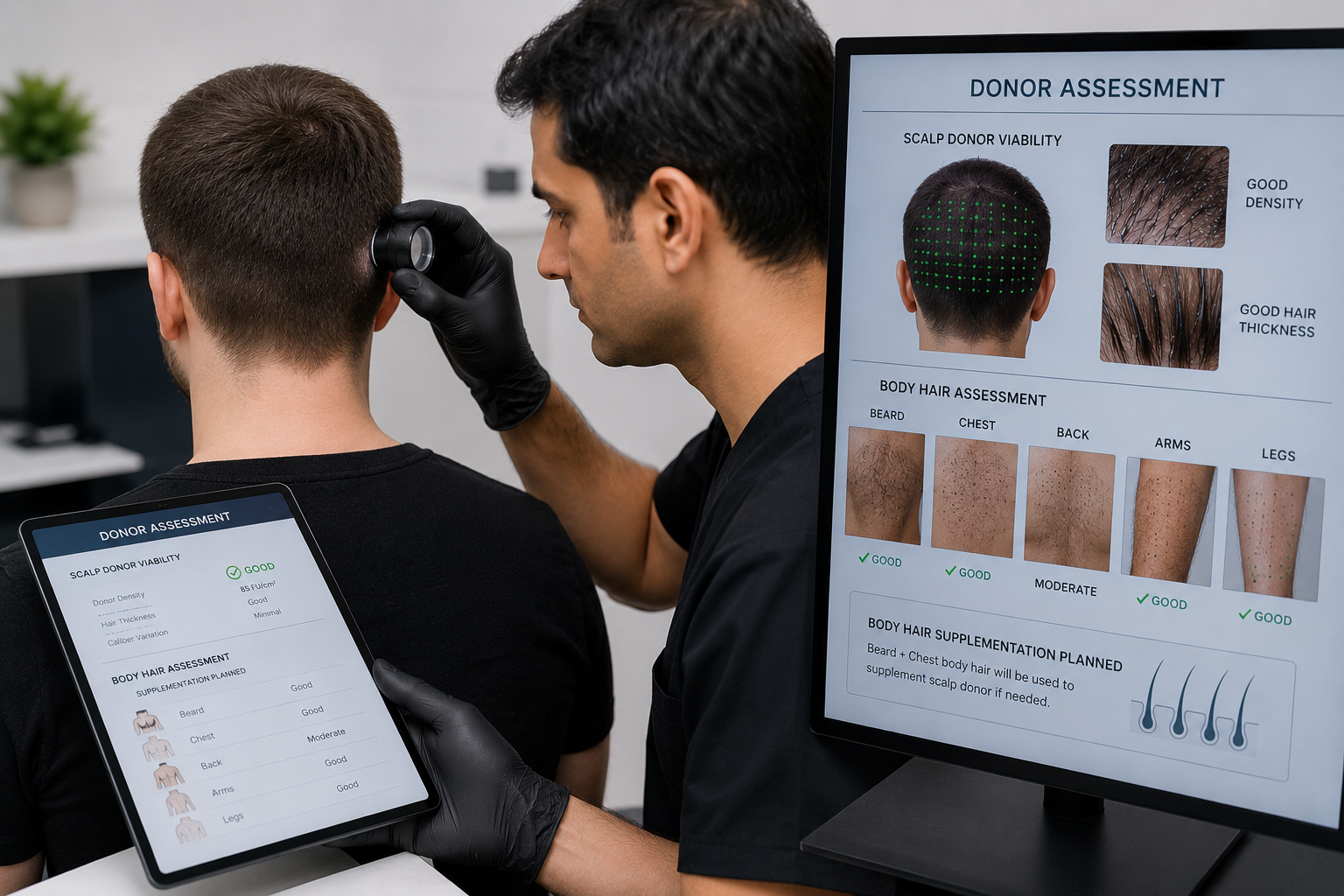
scalp donor viability is determined; body hair supplementation is planned if scalp supply is insufficient
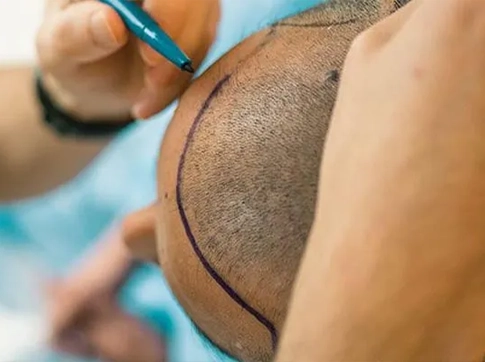
a natural, symmetric hairline is designed from scratch, appropriate to the patient's facial structure and age
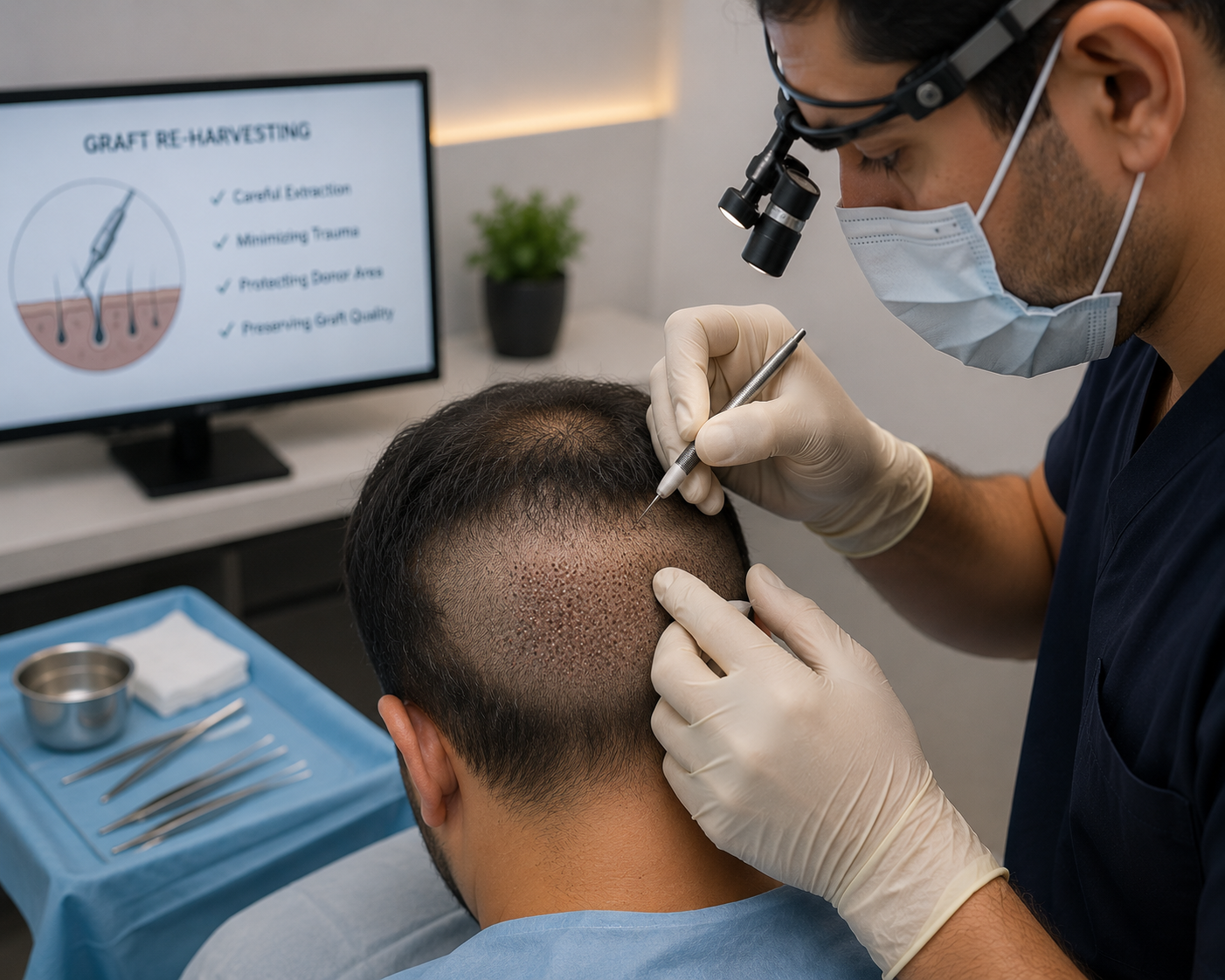
grafts are extracted carefully, without putting further stress on an already compromised donor area
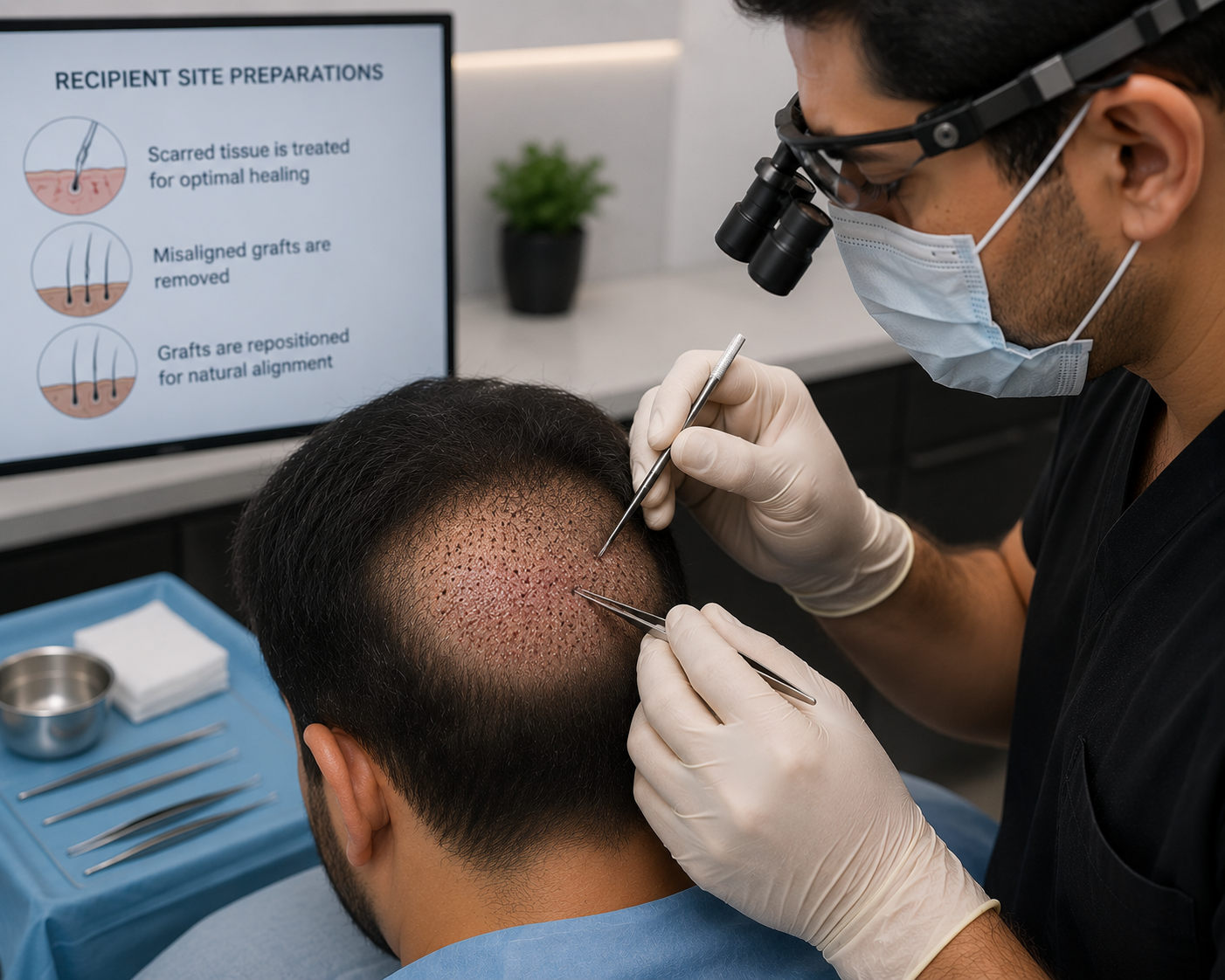
scarred tissue is treated, and misaligned grafts are removed or repositioned before new ones go in
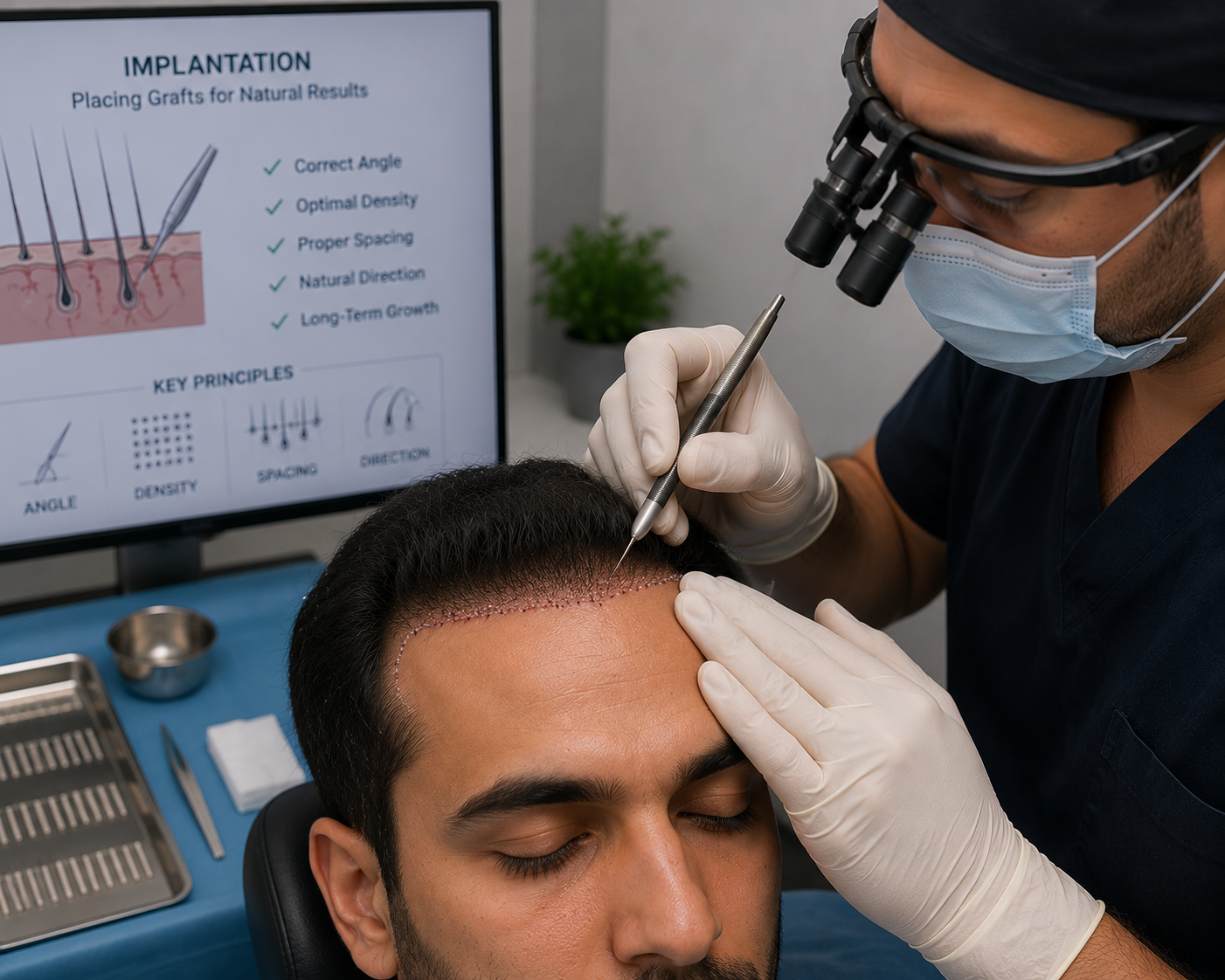
new grafts are placed at the correct angle, density, and spacing for natural-looking growth
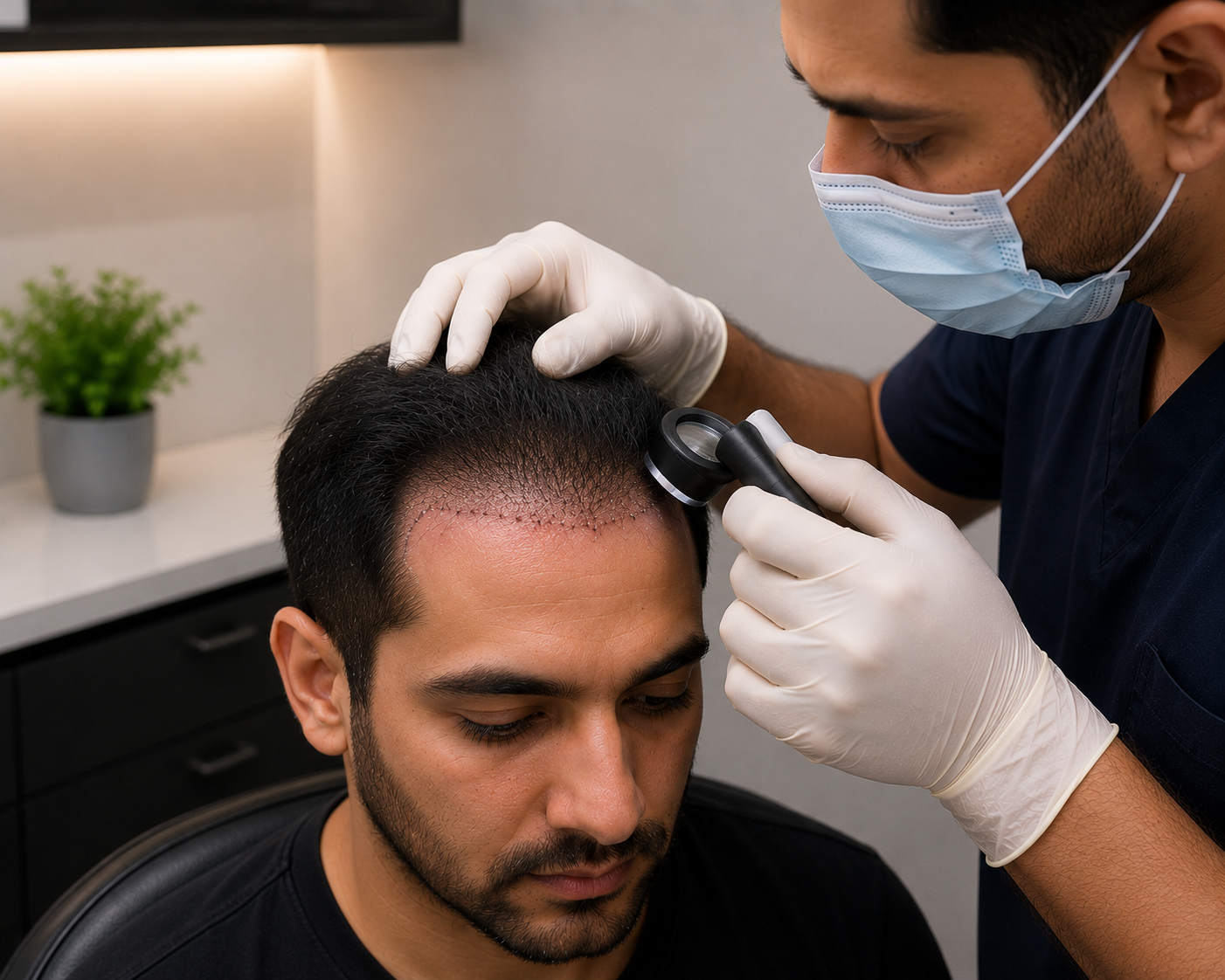
healing of scarred tissue and graft survival are tracked through follow-up appointments
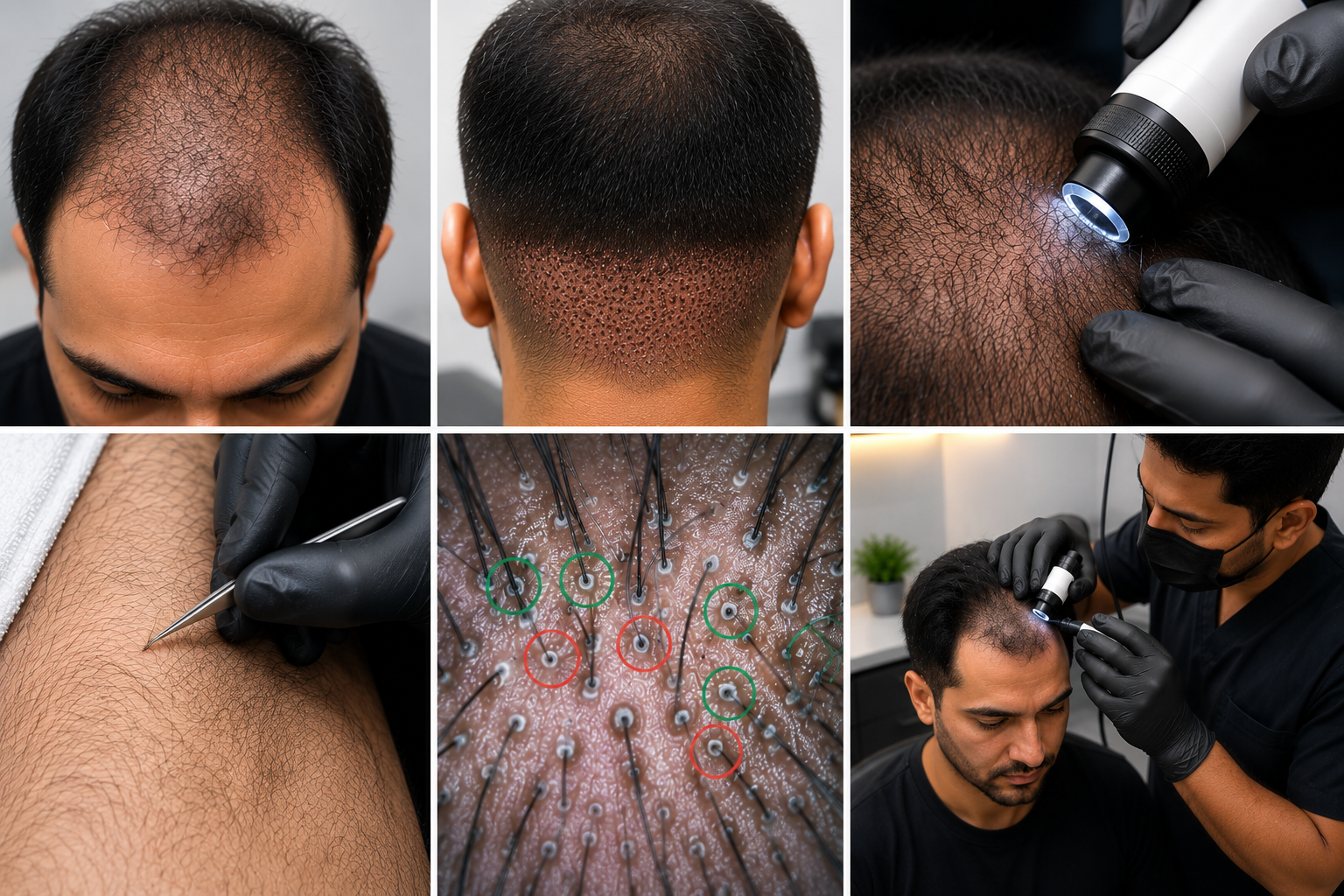
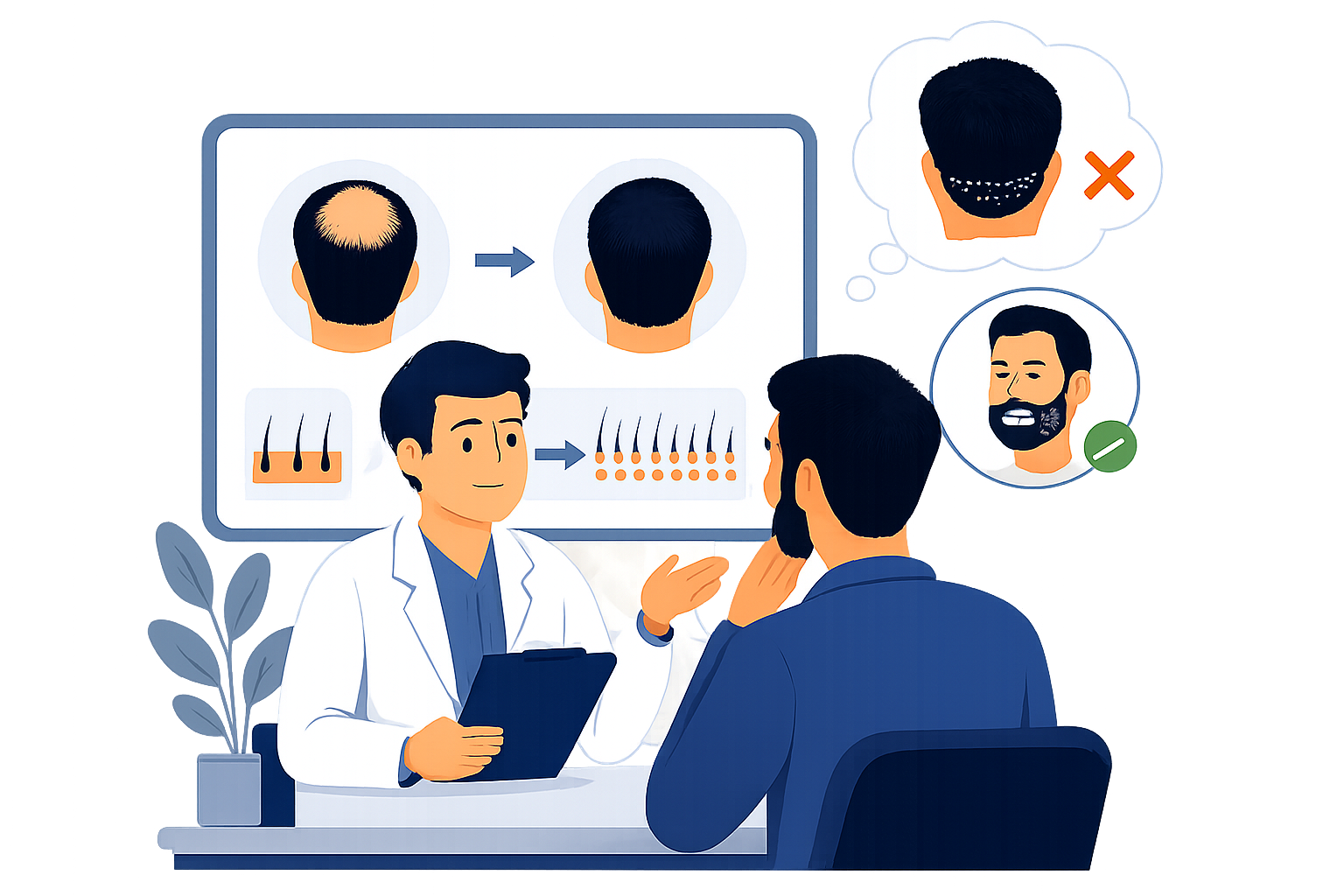
Most failed transplants share one common flaw: no proper preoperative evaluation. Grafts were placed without understanding the patient's hair characteristics, donor supply, or scalp condition. The result was always going to be unpredictable.
Repair cases at DMC Trichology start with exactly what the original procedure skipped a full integrative preoperative assessment. Where scalp donor supply has been over-harvested, body hair transplantation fills the gap. Advanced trichoscopy is used to identify viable grafts even within damaged or scarred tissue before any extraction begins.
Almost always, yes. Extreme donor depletion or severe scalp scarring are the rare exceptions where options become limited. In most cases, there's at least one corrective path available, sometimes more than one.
Usually it comes down to poor preoperative evaluation, inadequate graft storage between extraction and implantation, incorrect implantation angle, or mishandling of fragile follicular units. Every one of those failures is avoidable with the right surgical team.
Yes. When prior over-harvesting has depleted the scalp donor zone, grafts from the beard, chest, arms, or legs can supplement the repair effectively.
No. It's performed under local anaesthesia just like a standard transplant. The complexity is entirely on the surgeon's side, not the patient's.
The timeline is the same as any transplant. Initial shedding happens first, followed by new growth from around 4–6 months. Full results are typically visible by 12 months.