


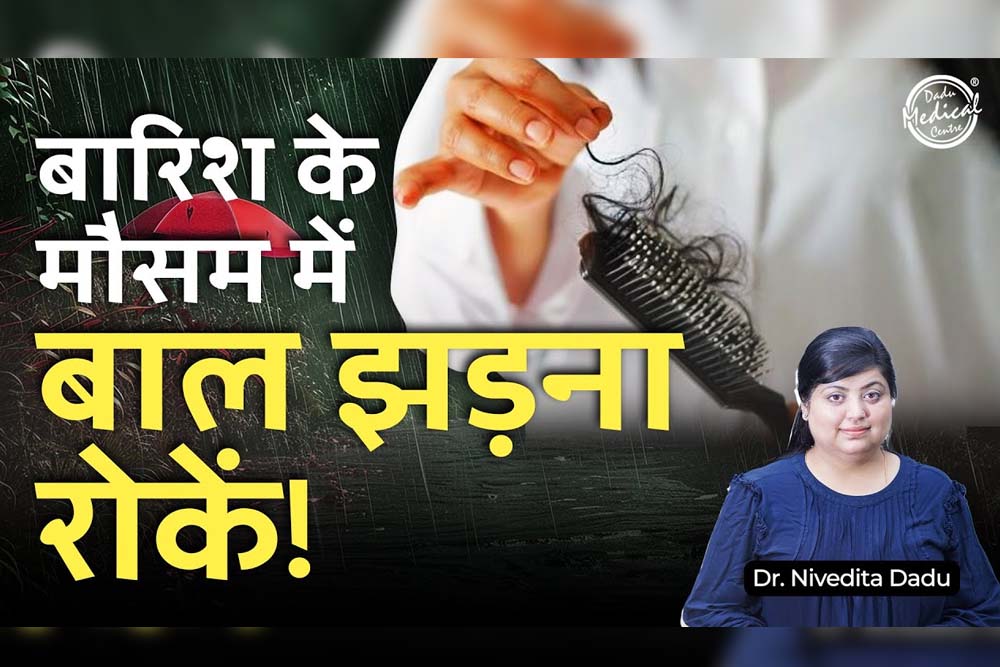
Why Does Hair Fall Increase in Monsoon And What Can You Actually Do About It?
Monsoon and hair fall seem to go hand in hand for most people, and if you've noticed more strands in your hairbrush the moment the rains start, you're far from alone. This is one of the most frequent concerns we hear about at any hair treatment in Delhi consultation once July rolls around. The reasons behind it are fairly straightforward once you understand what's happening to your scalp and strands during this season, and thankfully, there's a fair bit you can do to keep the damage in check.
So Why Does This Actually Happen?
The first culprit is humidity. When the air holds more moisture, that moisture seeps into your hair too, making strands swell slightly, turn brittle, and become frizzy. Weak, moisture-laden hair breaks far more easily than hair in drier weather, and that's the first piece of the puzzle.
Then there's the rain itself. In cities with heavier pollution, rainwater often carries acidic residue. When that acidic rain lands on your scalp and hair, it strips away natural keratin and damages the hair cuticle, which again leaves strands brittle, frizzy, and prone to snapping.
The third factor is fungal growth. Monsoon humidity is basically a breeding ground for fungus, and dandruff itself is a type of fungal infection. During this season, scalps tend to get oilier, sebum production goes up, and dandruff along with other fungal issues become far more common all of which contribute to hair fall.
What You Should Actually Be Doing
Wash smart, not excessively. If your hair gets wet in the rain, washing it is necessary but if you're washing otherwise, stick to two or three times a week at most. Use lukewarm or cool water rather than hot water. Hot showers strip your scalp's natural oils, which sounds like it should reduce oiliness but actually backfires the scalp overcompensates by producing even more sebum, leaving you with a greasier, unhealthier scalp and eventually more hair fall.
Never skip conditioner. After every wash, follow up with a conditioner or hair mask. Leave-in conditioners and leave-in serums are particularly useful here, since they form a light protective layer over your hair that shields it from the external weather.
Oil your hair but only your hair, not your scalp. Normally, oiling isn't something we recommend heavily, but monsoon is an exception where overnight oiling can genuinely help. Coconut oil, olive oil, or a homemade blend with curry leaves and fenugreek, even onion oil, all work well. Just keep it strictly to the length of your hair the scalp is already oily enough in this weather without adding more to it.
Use peptide-based scalp serums instead. On the scalp itself, peptide-based hair serums are a better bet. These contain proteins along with ingredients that strengthen hair roots, reduce hair fall, and support density over time.
Don't ignore your diet. Omega-3 supplements or foods like fish, almonds, walnuts, chia, and flaxseeds support hair health from within. Increasing protein intake through dal, paneer, soya, chicken, fish, and eggs also helps, and collagen supplements can visibly improve hair texture and reduce dryness and frizz over time.
Monsoon Hair Care: Do's and Don'ts
Do This | Avoid This |
Wash hair 2–3 times a week with lukewarm water | Frequent hot water showers |
Apply leave-in conditioner or serum after washing | Skipping conditioner after every wash |
Oil the hair length overnight | Applying oil directly on the scalp |
Use peptide-based scalp serums | Ignoring an oily, dandruff-prone scalp |
Air-dry hair or blow-dry on cool setting | Blow-drying on hot setting |
Tie hair only once fully dry | Tying wet hair immediately |
Nutrients That Support Hair Health in Monsoon
Nutrient | Good Sources | Why It Helps |
Omega-3 | Fish, walnuts, flaxseeds, chia seeds | Reduces scalp inflammation, supports strength |
Protein | Dal, paneer, soya, chicken, eggs, fish | Builds the structural base of hair strands |
Collagen | Supplements | Improves texture, reduces dryness and frizz |
Peptides | Topical serums | Strengthens roots, boosts density |
What to Skip Completely This Season
Chemical treatments like keratin and smoothening are best avoided during monsoon. These treatments already strip away your hair's natural keratin using fairly harsh chemicals, and when your hair is already weakened by humidity and acidic rain, this extra damage just accelerates breakage.
On the other hand, hair spa treatments are actually a good idea in this weather. A good hair spa helps restore some of the natural keratin that's been lost, works on undoing early cuticle damage, and keeps hair looking healthier and shinier when done regularly. If you're exploring cosmetic treatment in Delhi options for damaged monsoon hair, a hair spa is a gentler starting point compared to chemical services.
Monsoon-Safe vs Monsoon-Risky Salon Treatments
Treatment | Recommended in Monsoon? | Why |
Hair Spa | Yes | Restores keratin, repairs cuticle damage |
Keratin Treatment | No | Uses harsh chemicals, weakens already fragile hair |
Smoothening | No | Strips natural keratin further |
Deep Conditioning | Yes | Adds moisture and protective layer |
A couple of small habits round this off well. If you're blow-drying wet hair, always use the cool setting hot air just adds more damage on top of what the weather's already doing. Better still, let your hair air-dry whenever you can. And if your hair is wet, avoid tying it up; wet hair tied tightly is far more prone to breakage.
Monsoon hair fall isn't something you have to just accept every year. A few consistent changes in your washing routine, scalp care, and diet can make a real difference. If your hair fall feels unusually heavy or doesn't settle once the season changes, it's worth getting your scalp checked by a specialist rather than guessing at home remedies. Clinics like Dadu Medical Centre, through their trichology division, deal with seasonal hair fall patterns regularly and can help identify whether it's purely weather-related or something that needs closer attention.
Frequently Asked Questions (8)
Q1. Is hair fall during monsoon normal?
Ans:- Yes, a moderate increase is common due to humidity, acidic rain, and scalp fungal activity. It usually settles once the season changes.
Comments (0)
Loading comments...